Evidence Management

What are warning signs of bogus accreditation claims?
Keep every public accreditation claim narrow, current, and tied to evidence. A provider should be able to show the approving body, programme scope, dates, learner evidence controls, and verification route behind any claim it makes.
What evidence do I need if learners complete workplace-based learning?
Start by proving the learner journey from admission to completion. Accreditation evidence is strongest when learner files, attendance, assessment, moderation, workplace evidence, support notes, and certificate decisions can be traced together.

We failed or were returned for QCTO accreditation. How should we fix the gaps?
Treat the returned application as a gap list. Identify the root cause, assign an owner, fix the operating issue, attach targeted evidence, and keep a clear response record.
How do I connect accreditation, learner records, certificates, and verification?
Start by proving the learner journey from admission to completion. Accreditation evidence is strongest when learner files, attendance, assessment, moderation, workplace evidence, support notes, and certificate decisions can be traced together.
How do I build learner trust while accreditation is still in progress?
Start by proving the learner journey from admission to completion. Accreditation evidence is strongest when learner files, attendance, assessment, moderation, workplace evidence, support notes, and certificate decisions can be traced together.
What should my learner admission policy include for accreditation?
Start by proving the learner journey from admission to completion. Accreditation evidence is strongest when learner files, attendance, assessment, moderation, workplace evidence, support notes, and certificate decisions can be traced together.

What assessor documents should I keep for QCTO accreditation?
Build the evidence system around requirements, owners, versions, and live records. Accreditation readiness improves when the provider can retrieve the right document, prove it is current, and show the operational record behind it.

Our QCTO accreditation application feels stuck. What usually causes delays?
Delays usually come from unclear scope, missing evidence, weak document control, unassigned responsibilities, or review questions that expose gaps in the operating model.

What changes must I report after getting QCTO or SETA accreditation?
Start with scope, delivery readiness, staff evidence, assessment control, moderation, learner administration, and proof that the QMS is used in daily operations. The application is stronger when these controls are visible before submission.

Can I advertise a course as accredited if the qualification is SAQA registered?
Treat SAQA and NQF information as qualification context, not automatic provider approval. The provider still needs to prove the right accreditation scope, delivery controls, learner records, and public wording before making accreditation claims.

How do I prove practical training happened when records are incomplete?
Treat workplace evidence as part of the accreditation system from the start. The provider should be able to show workplace agreements, mentor roles, learner placement records, logbooks, supervisor sign-off, and exception follow-up.
How do attendance records support accreditation?
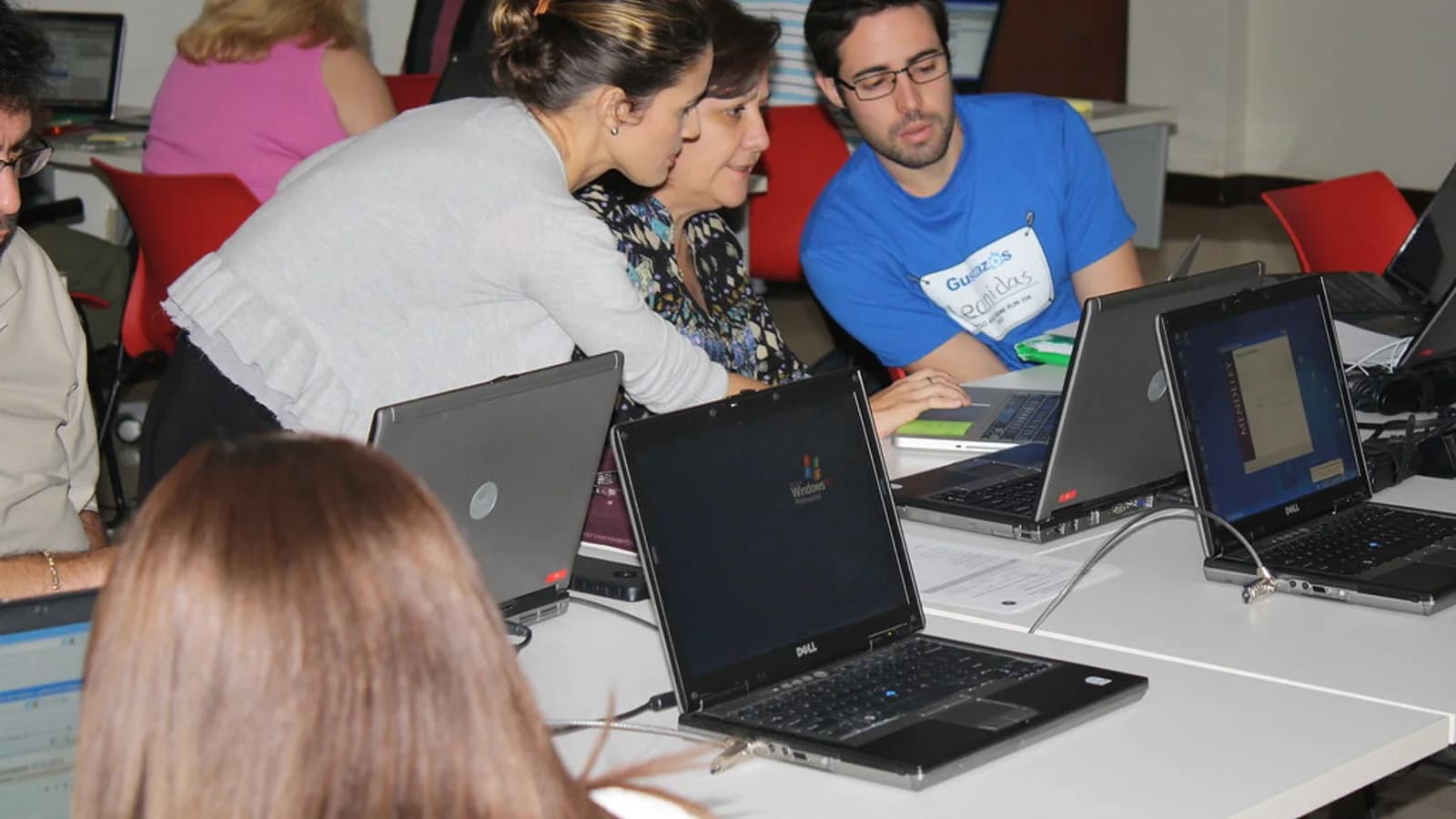
Start by proving the learner journey from admission to completion. Accreditation evidence is strongest when learner files, attendance, assessment, moderation, workplace evidence, support notes, and certificate decisions can be traced together.

I want SETA accreditation for my training company. Where do I start?
Start by confirming the relevant SETA and programme scope, then prepare evidence for provider capacity, learner administration, assessment, moderation, workplace learning, and reporting.
What accreditation evidence do funders or employers usually ask for?
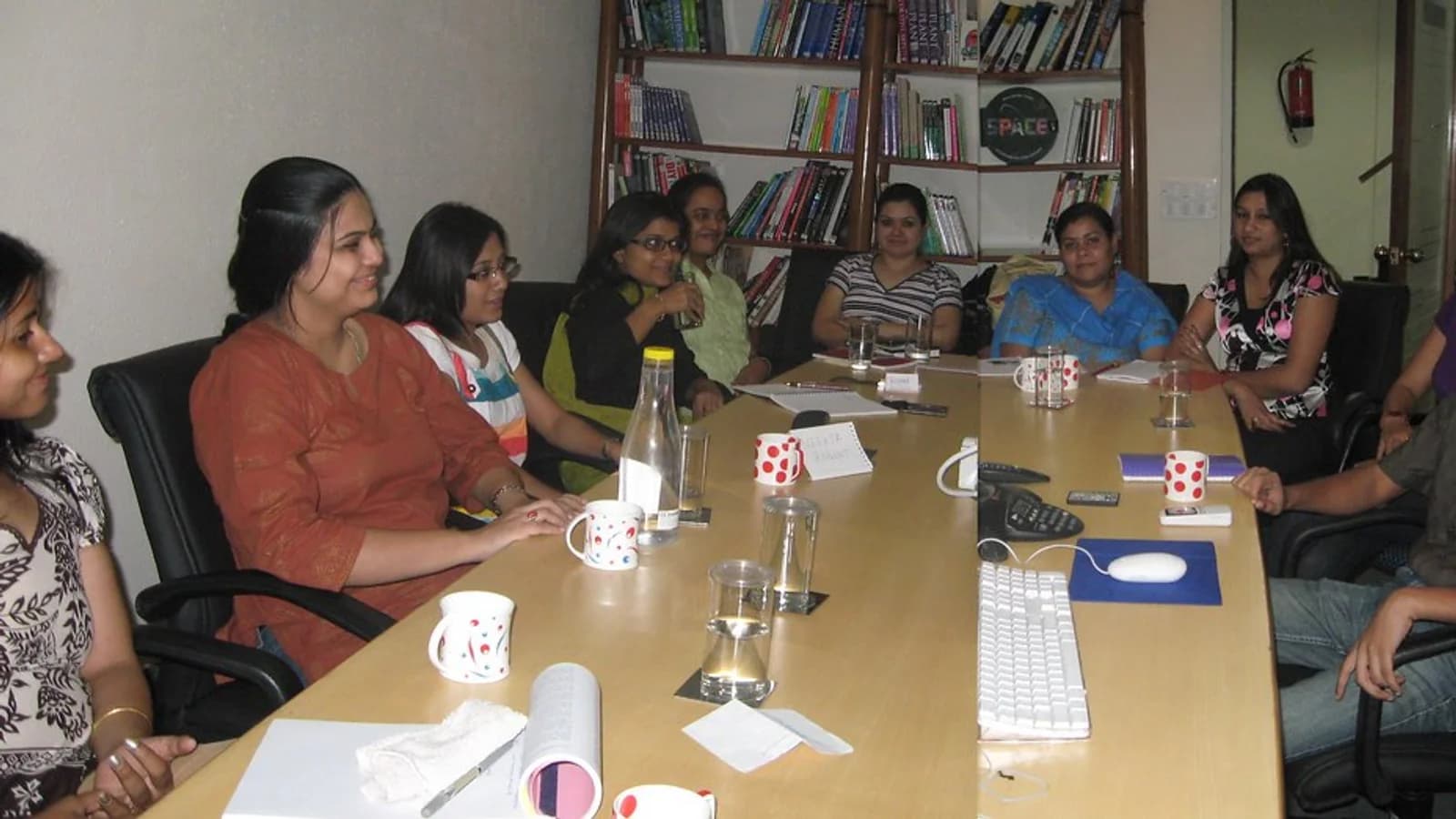
Keep every public accreditation claim narrow, current, and tied to evidence. A provider should be able to show the approving body, programme scope, dates, learner evidence controls, and verification route behind any claim it makes.
How do I create an accreditation dashboard for management?
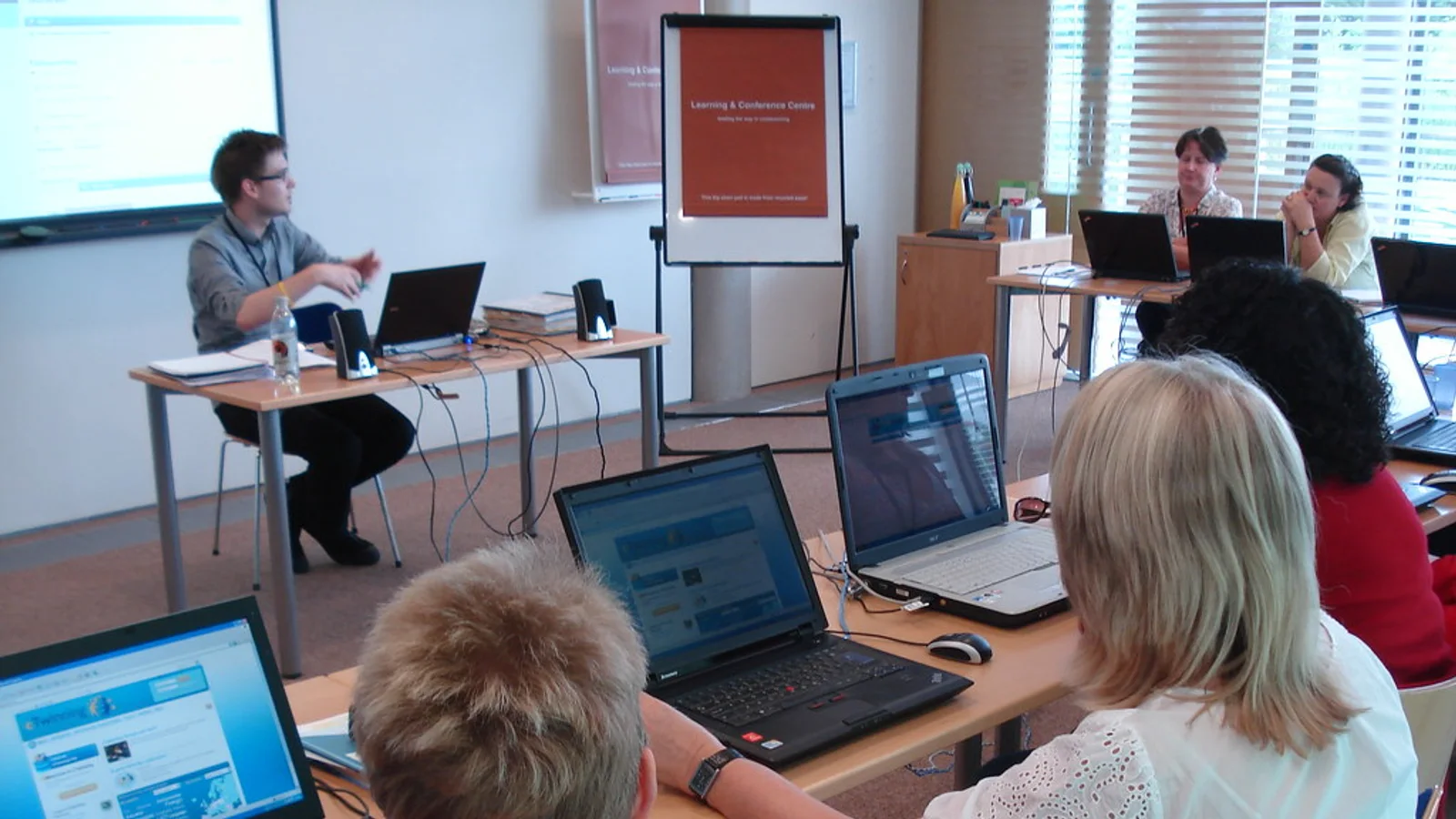
Build the evidence system around requirements, owners, versions, and live records. Accreditation readiness improves when the provider can retrieve the right document, prove it is current, and show the operational record behind it.
How do I run an internal accreditation audit before applying?
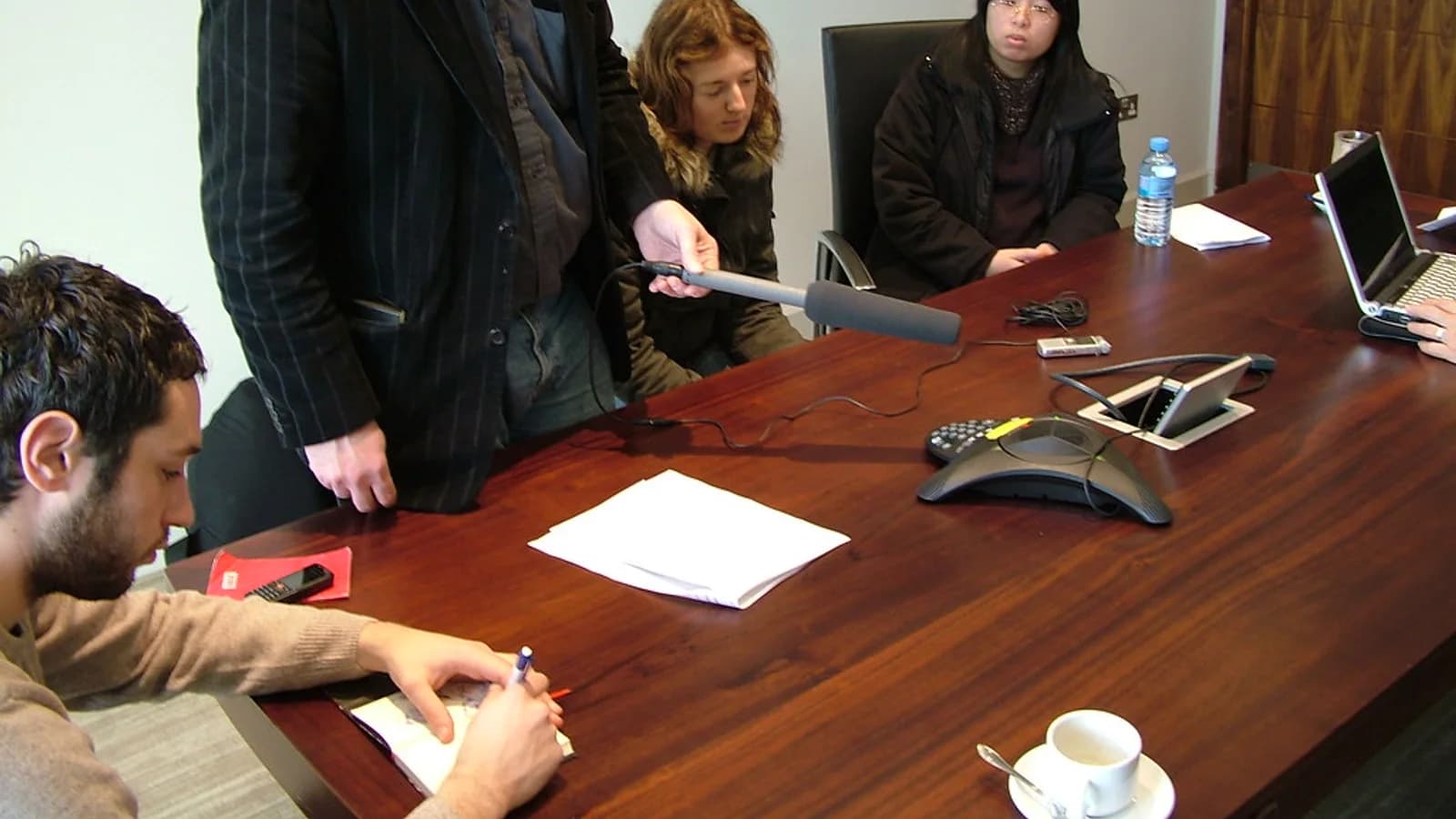
Build the evidence system around requirements, owners, versions, and live records. Accreditation readiness improves when the provider can retrieve the right document, prove it is current, and show the operational record behind it.

We have policies and templates. Why might we still fail a QCTO accreditation review?
Policies and templates fail when they do not match real operations, cannot be supported by records, or describe roles and controls the provider does not actually use.

What is a SAQA ID and why does it matter for accreditation?
Treat SAQA and NQF information as qualification context, not automatic provider approval. The provider still needs to prove the right accreditation scope, delivery controls, learner records, and public wording before making accreditation claims.

How do I know which accreditation documents are missing?
Build the evidence system around requirements, owners, versions, and live records. Accreditation readiness improves when the provider can retrieve the right document, prove it is current, and show the operational record behind it.
What corrective actions should I take after an accreditation review?
Start by testing whether the provider can prove its scope, staff roles, learner journey, evidence controls, assessment decisions, and public claims. A neat file is useful, but a controlled operating system is stronger.
What proof should I show employers before they choose us as a training partner?
Keep every public accreditation claim narrow, current, and tied to evidence. A provider should be able to show the approving body, programme scope, dates, learner evidence controls, and verification route behind any claim it makes.